Follow us


©2020-2025 Dreamtonics Co., Ltd. All Rights Reserved.

Follow us
©2020-2025 Dreamtonics Co., Ltd. All Rights Reserved.
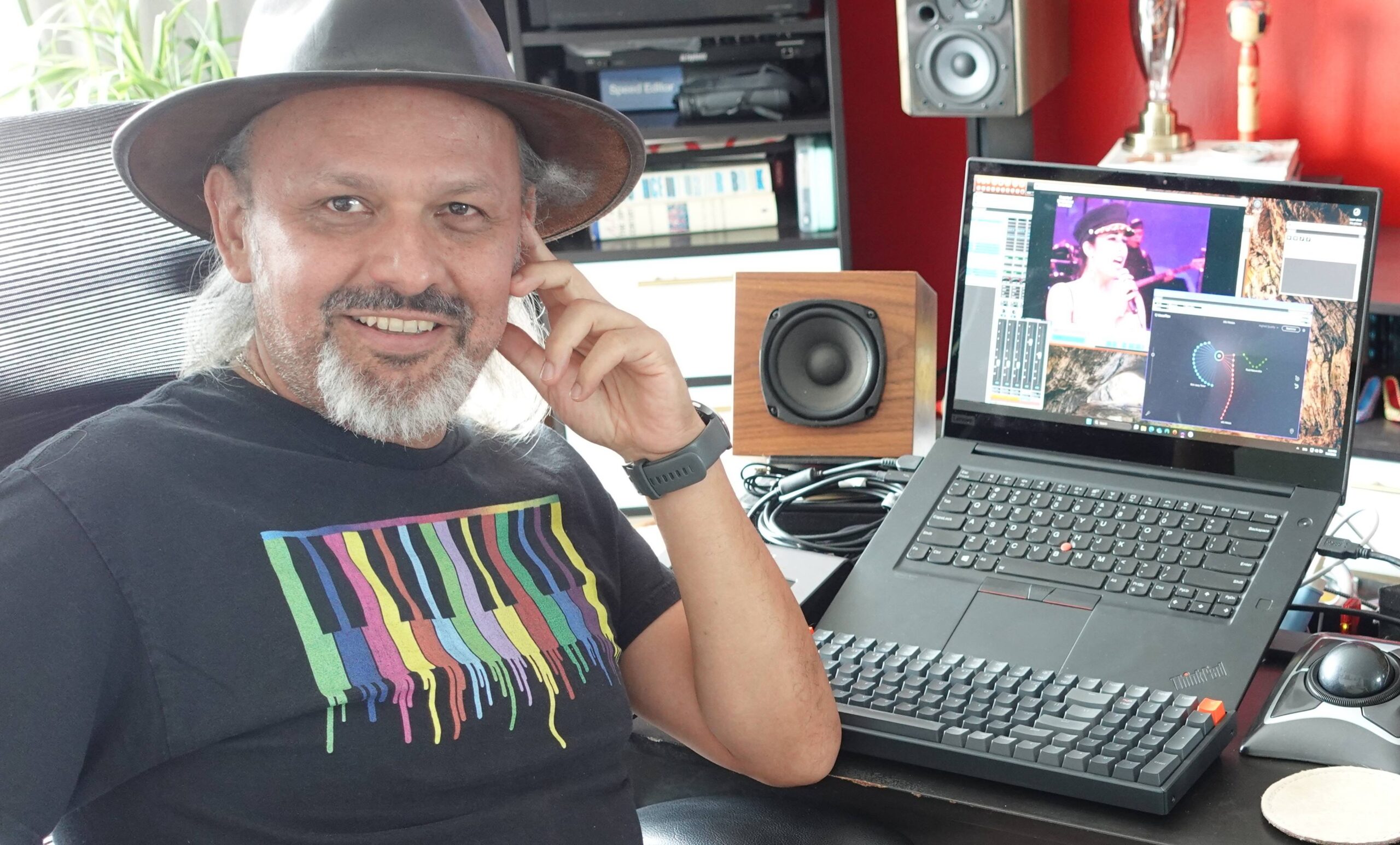

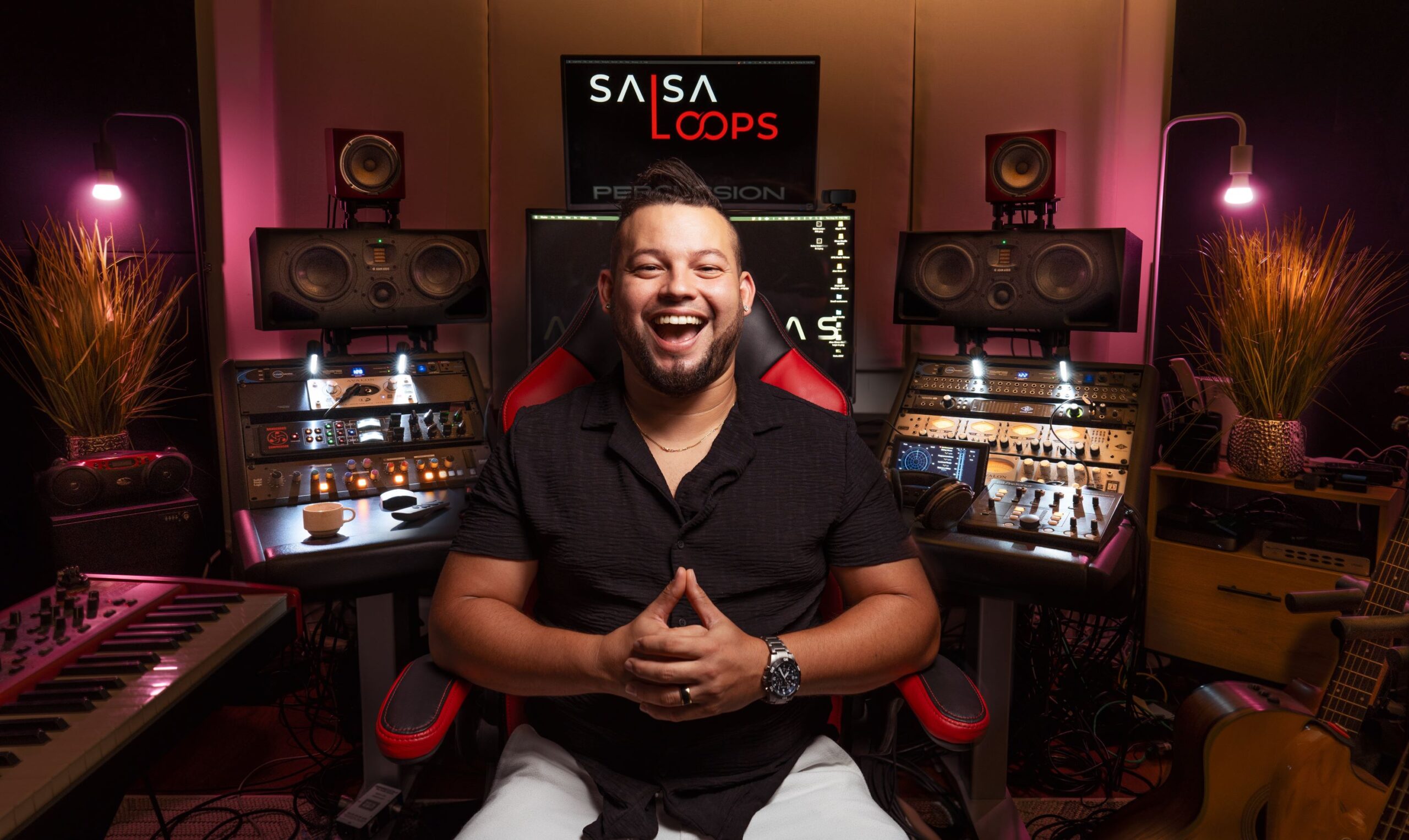
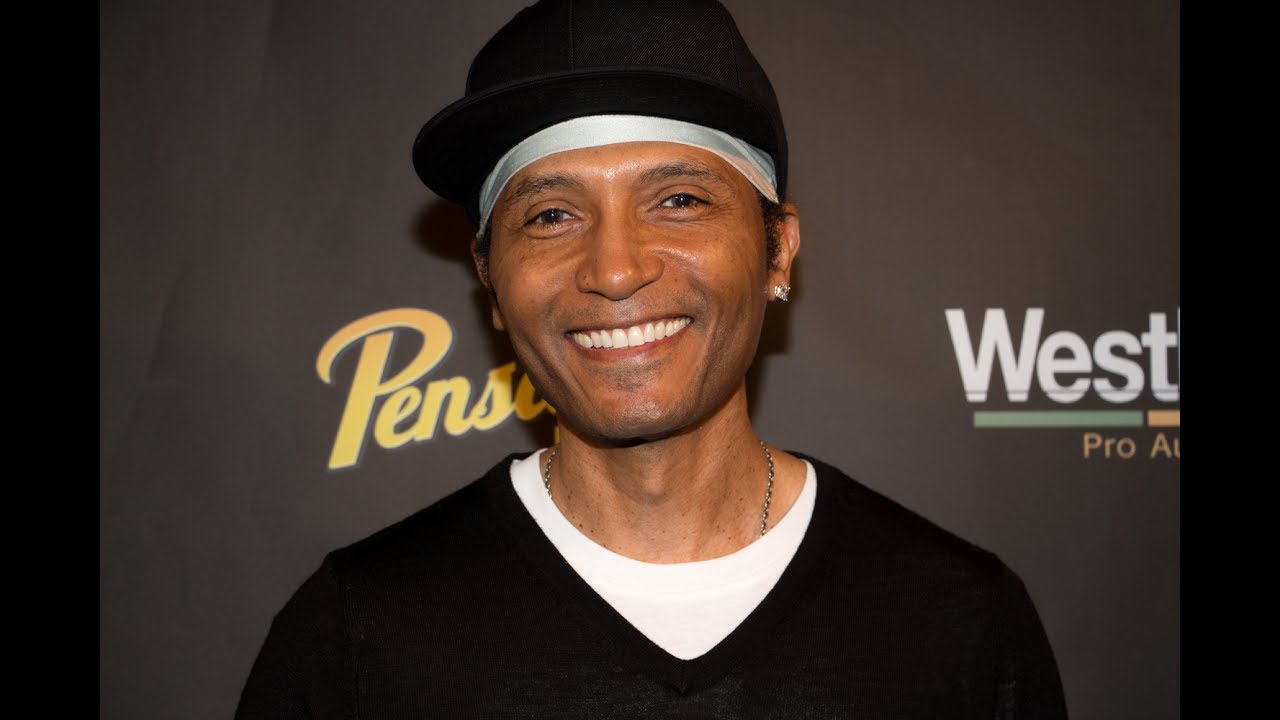
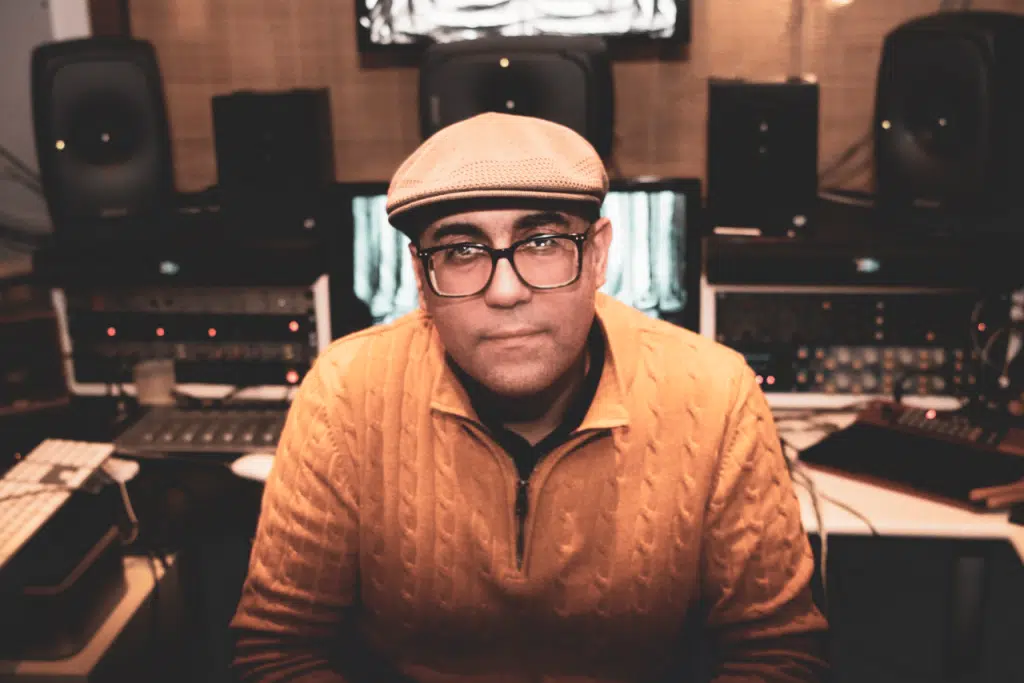
When a producer’s discography includes names like Beyoncé, Missy Elliott, Mick Jagger, and Latin music icons such as Ricardo Arjona, you know they operate at the highest level of the industry. Carlos “El Loco” Bedoya is that producer—a multi-Grammy-winning veteran whose career is built on delivering world-class vocal productions. His work is defined by precision, feel, and an uncompromising standard for quality.
But even for a seasoned pro, the modern demands for perfect vocal consistency and on-the-fly creative flexibility present constant challenges. While working on high-stakes projects, including a posthumous album for Selena Quintanilla and new material for Ricardo Arjona, Carlos found himself searching for a faster, more intuitive way to shape and match vocal performances. His search for a practical tool—one without the latency or limitations of other solutions—led him to discover the real-time power of Dreamtonics’ Vocoflex and Synthesizer V Studio 2 Pro.
We had the pleasure of sitting down with Carlos to discuss how these tools have revolutionized his workflow. In this interview, he breaks down exactly how he uses Vocoflex and Synthesizer V on major label records, shares his powerful philosophy on AI as an essential creative instrument, and explains why he believes this technology is set to radically change the sound of modern pop music.
I’m Carlos “El Loco” Bedoya. I’ve been working with many artists in the United States for 25 years, and before that, I worked in Colombia for about 15 years.
I started with my own projects in Colombia, but once I got to the U.S., I began working on bigger projects, mainly in Rock and Hip Hop—artists like Missy Elliott, Weezer, Beyoncé, Mick Jagger, Janet Jackson, Live, Madonna, Nelly Furtado, Jay-Z—basically everyone who came through South Beach Studios.
Later I went back to the Latin market, working with artists like Paulina Rubio, Enrique Iglesias, Ricardo Arjona, Piso 21, Feid, Ovy On The Drums.
My strengths are mixing, production, and especially vocal production.
It was the first time I really tried it. I had seen something online before because I was working on other projects.
We were preparing a posthumous tour for the last album released by Selena Quintanilla. The idea was to release the record with modern arrangements, re-recorded, so I found a singer who’s an expert at imitating vibrato, accents, and has a powerful voice. We got really close, but to add the final touch I had to program AI models—and that took me a ton of time.
I kept thinking, “Someone must have made this process more practical,” so I started looking and found Vocoflex and Synthesizer V. At first, I didn’t pay much attention, but then we started working on the album for Ricardo Arjona and Martina La Peligrosa. We wanted to rework some old vocals, and it happened to coincide with my trip to NAMM, where I got the pleasant surprise that Vocoflex works in real time—exactly what I was looking for.
There were other tools, but they were only in English and had a huge latency of about 200 milliseconds. I wasted a lot of time trying to train them—it was a total disaster.
When we found Vocoflex, I tried it with Mauro Castillo and we were blown away by the results.
We had a project with an artist who wanted to re-record his discography, but his voice had changed. With Vocoflex, we just loaded in his old vocal timbre and recorded a new performance—it’s amazing.
Right now, as we prepare new material and a tour with Ricardo Arjona, he usually travels to get in the zone. Sometimes he wants to change a line in a song that’s already been recorded—right on the spot. So he records on his phone, I train Vocoflex with his original voice from the song, apply it to the phone recording he sent me, and done—I get the same vocal tone and mic character as the rest of the track.
We also use this when he’s sick or wants to transfer vocal characteristics from one song to another, or blend them by automating the cursor’s movement.
It’s the same performance, with his own voice, but polished and perfect for production.
And that I personally get to define the output’s characteristics; what song or part it should sound like.
But without a doubt, the speed is the biggest advantage of using Vocoflex—the clarity of the interface and the ability to explore different timbres from the samples you load and test them out.
You don’t have to wait for a long processing phase and hope it turns out okay, only to have to redo it if it doesn’t.
Another album I finished was for Adriana Lucía. She has a raspy but very tonal voice, and she’s hard to record because between sessions her voice changes a lot. Sometimes she’d replace parts the next day and the difference was noticeable.
I tried to balance it out using traditional processing (EQ, compression, etc.), but then I thought of Vocoflex. I trained it using a track where her vocal had turned out great, and used that for the rest of the songs.
Instead of spending two hours mixing the vocal, I had it ready in 15 minutes.
It’s a consistency tool. If you’re looking for vocal consistency across songs on an album—which is always the hardest part—with Vocoflex, you’re done in two minutes. Two minutes to match the tone, three more to set compression and EQ, and you’re good to go.
It’s about using it without fear.
Back in the day, people were hesitant about using compressors—they’d say you had to ride the faders… NOPE!
The tool is there—just use it, no shame—and try things you never imagined.
Right now, I’m even thinking of training Vocoflex with a bass track to see what happens.
Definitely. In the graphical interface, that cartogram it has—you can experiment with everything: super soft tones, aggressive ones, brightness changes.
For example, I was working on background vocals and had a long held note that felt kind of dull. So I put Vocoflex on it and started moving the cursor around the interface to change the tone—from sweet to aggressive.
Exactly, and that lets you change the intention—like altering the shape of the singer’s mouth so it’s not stiff or stuck in one place—it makes it come alive.
Harmonies!
Sometimes for doubling, people take the lead vocal and shift the timing using other software. What I do is analyze the lead vocal so Synthesizer V recognizes the melody and text, assign a voice to it, randomize it so it doesn’t sound identical to the lead vocal, and then overlay Vocoflex with the original singer’s voice.
What used to be a six or seven-step process for a single harmony, taking me two–three hours—now takes just two steps and I’m done in 15 minutes. And it sounds really good! It’s super fun.
I think pronunciation is interesting. Sometimes Japanese voices work better for me than English ones because of pronunciation similarities. But having the options is really important, in case you prefer certain results over others.
What I’ve done before is, if I don’t like the pronunciation in some parts, I use Revoice to adjust it. That’s actually what we did with Paulina Rubio’s first English-language song.
It’s just starting to change. For me, it’s starting to shift the same way Auto-Tune and Melodyne did.
These are tools everyone needs to have now. If you’re producing vocals, you must have Auto-Tune and Melodyne or something similar.
In my opinion, Vocoflex is going to be one of those things—you’ll need it. Everyone will. If you don’t have it, you’re producing the old-fashioned way and wasting time—or not reaching the level everyone else is at.
To me, Vocoflex is #1 in this space.
Synthesizer V—many people use it for mockups, which is great—but for real harmonies, it’s super fast and efficient. It’s incredible.
Next year we’re going to start seeing a shift in color—a change in how voices sound, new nuances.
Vocals recorded in 2000, 2003 had a certain color and rawness. Today’s radio vocals have a different tone and polish, and that’s thanks to tools like these.
Now, with tools like Vocoflex to recoat vocals or Synthesizer V to quickly structure harmonies, pop music is going to change.
Vocal production in pop is going to change radically, and that’s going to happen in a year—two years max. There’s no turning back.
People often say, “Oh, but now AI does everything,” and it’s like—NO! It’s a tool. You give it direction. It only goes as far as you train and guide it.
To me, it’s super useful, super fast—and any tool that saves me time in the studio just means more time in the sun.
Exactly. Avoid wasting time on technical grunt work.
That’s why compressors exist—so you don’t have to draw every single automation line by hand.

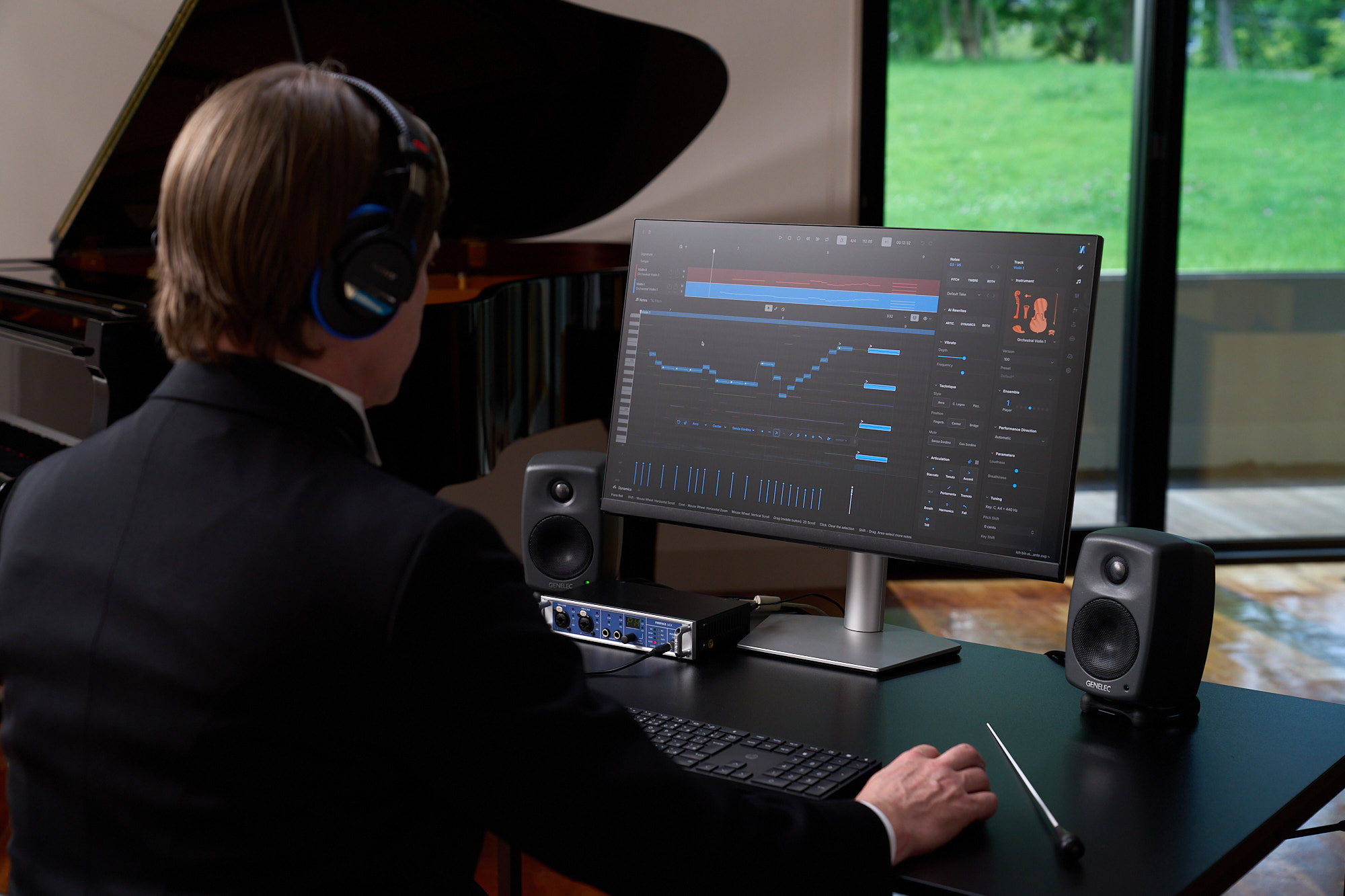
There is a difference between AI that generates music for you and AI that models an instrument you play. Here is why it matters for your sound and your rights.
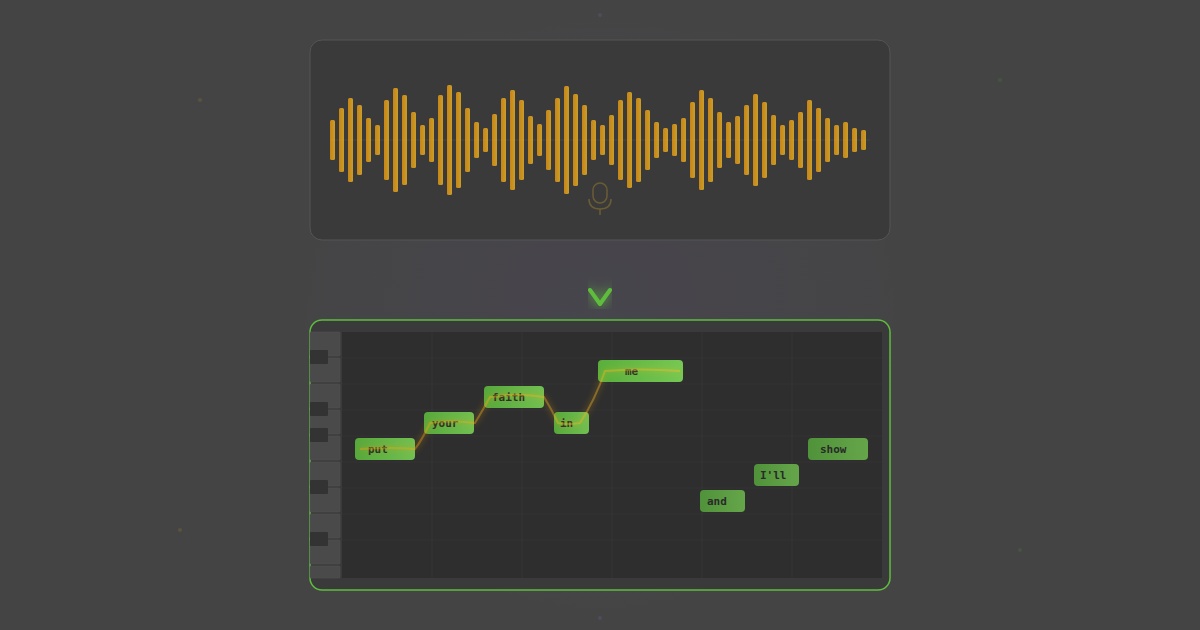
Synthesizer V is a game-changing AI-powered vocal synth that accurately converts the human voice to MIDI notes. Learn how to convert vocals to MIDI here!


Learn everything you need to know about making synthwave music with vocals: from song structure to chord progressions, instrumentation, BPM, and recommended plugins.
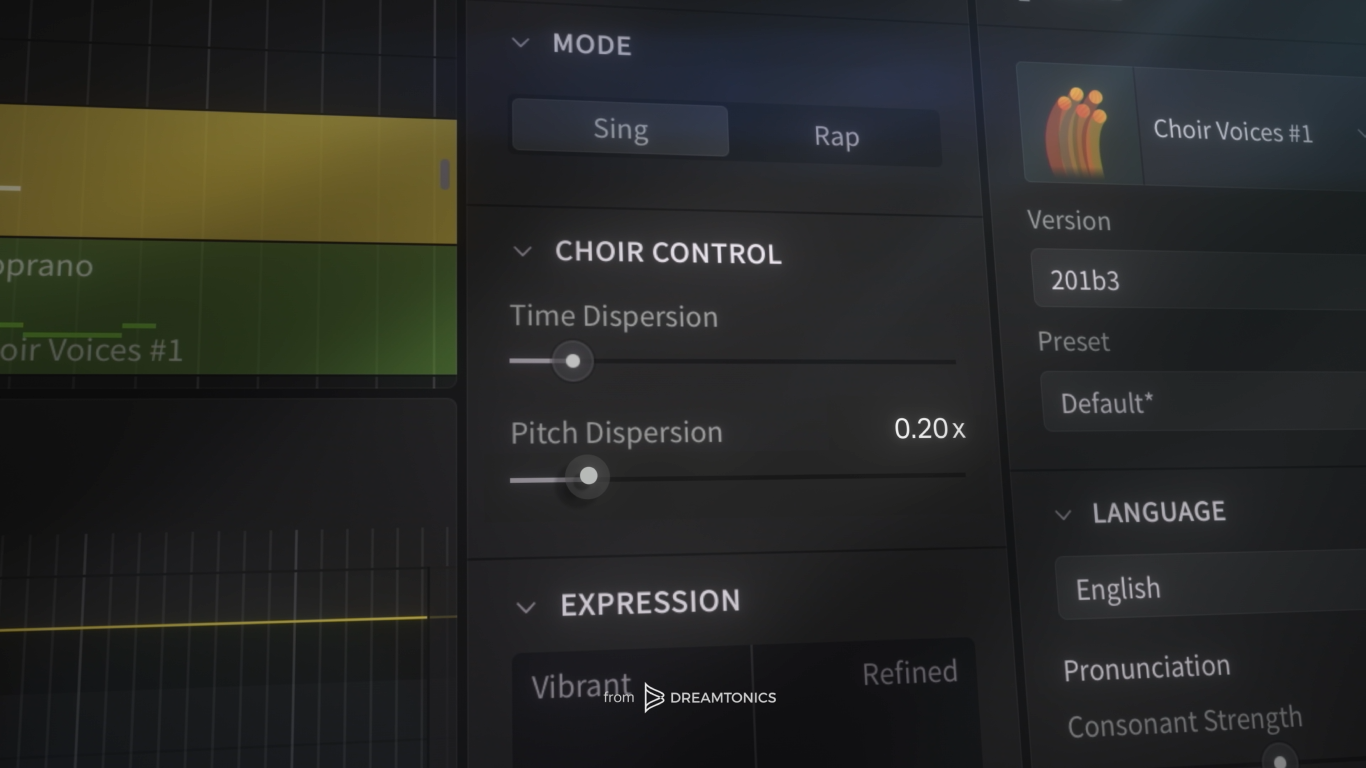
Al-powered plugins make generating choir harmonies easy. Here's how you can compose and mix AI choir arrangements in Synthesizer V Studio 2 Pro.
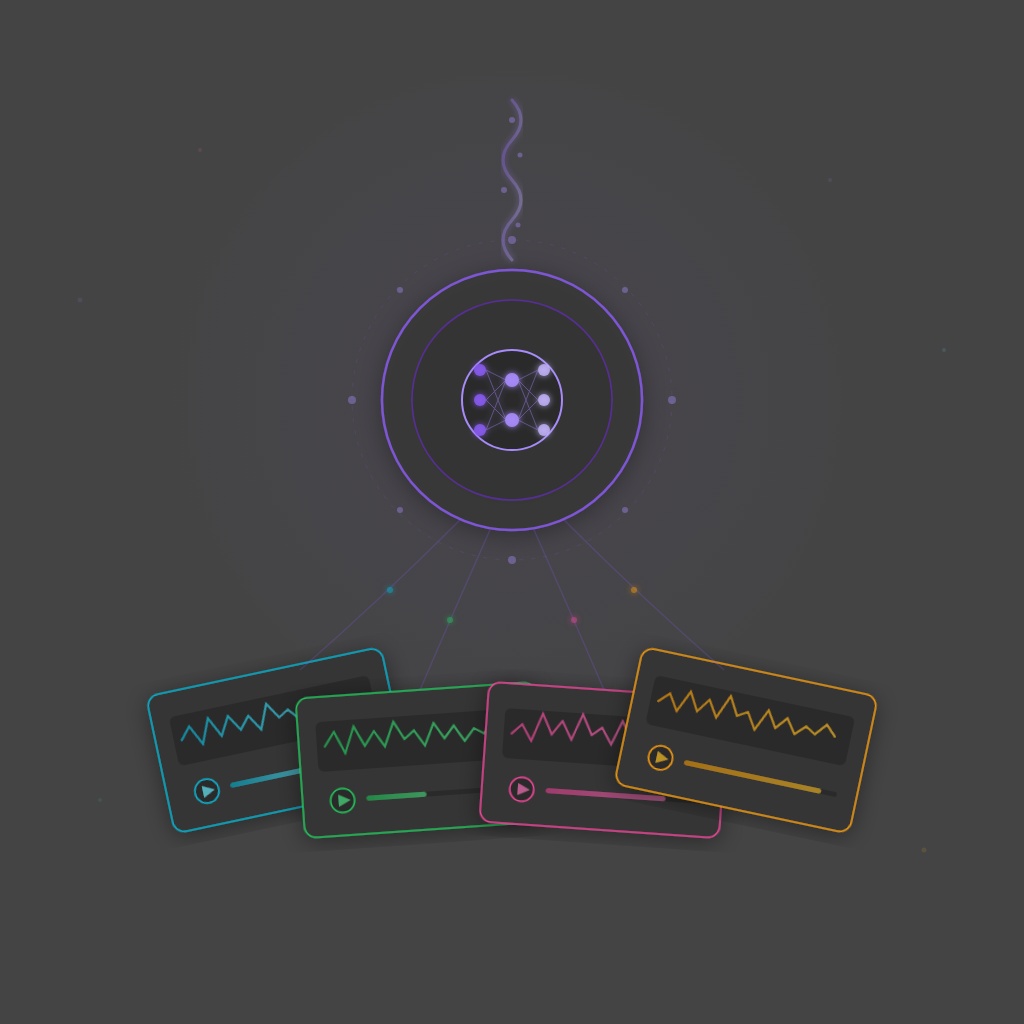
Learn how to create custom vocal and choir samples with AI-powered vocal synth Synthesizer V. A step-by-step guide for building unique toplines, melodies, and lyrical hooks for EDM, pop, and more.
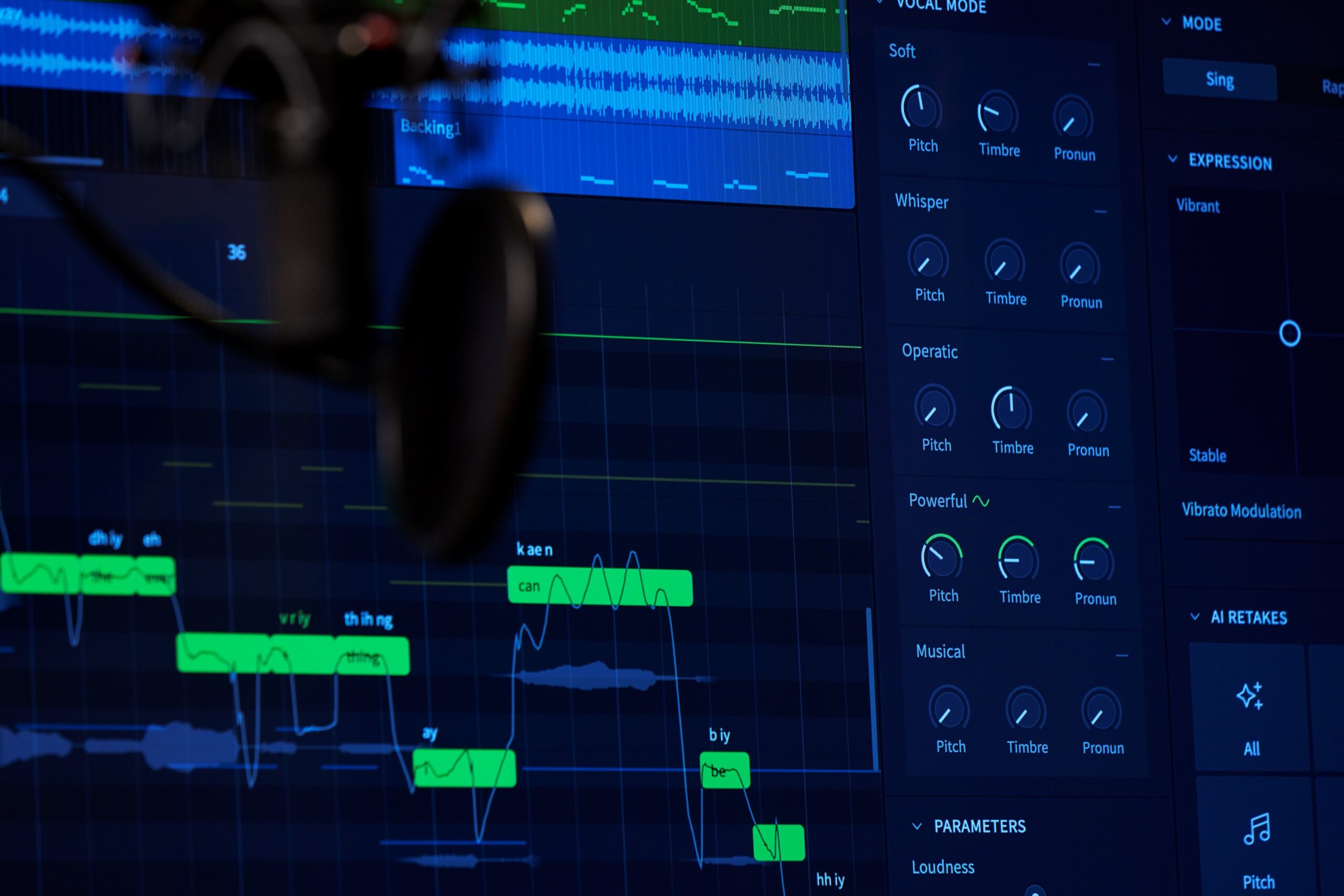
Details on new Synthesizer V Studio 2 Pro 2.2.1 update
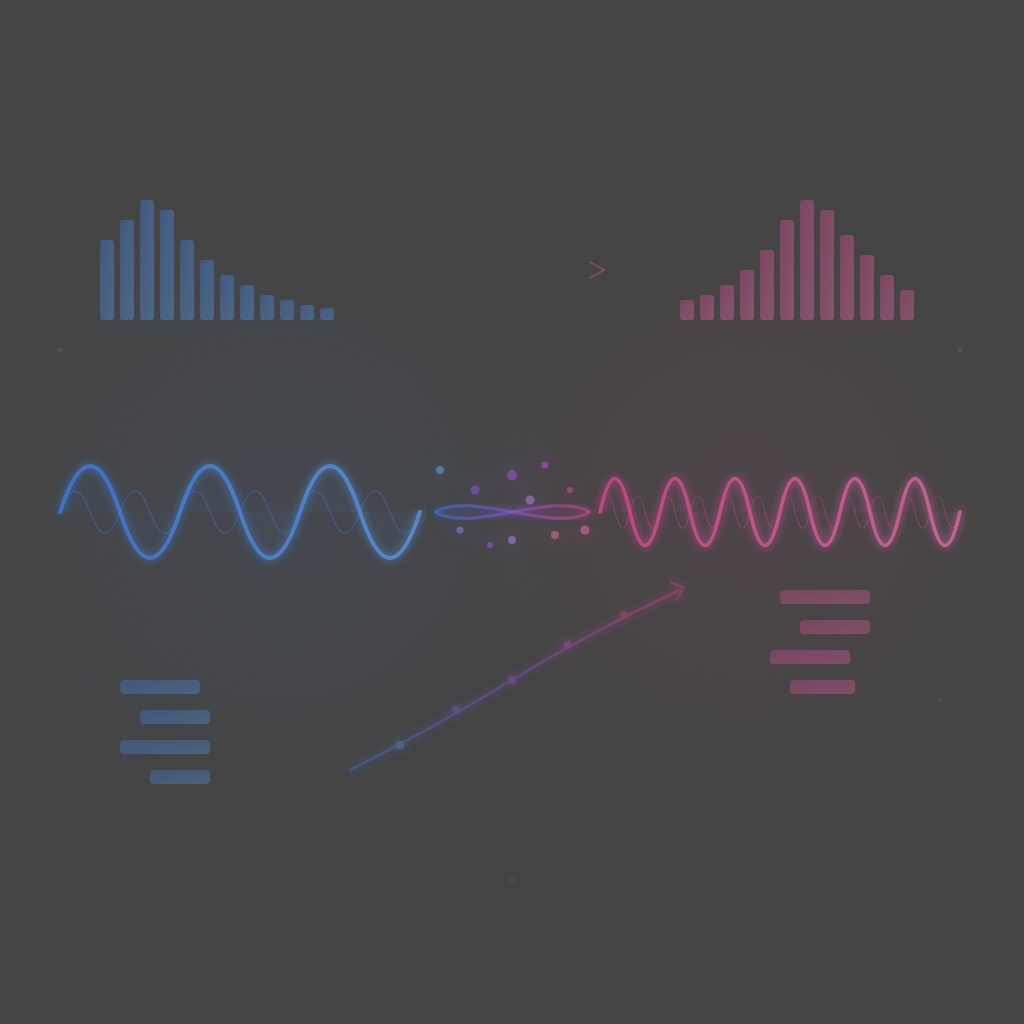
Looking for the best way to change vocals from male to female? Here’s how Vocoflex and Synthesizer V make it easy in your DAW.
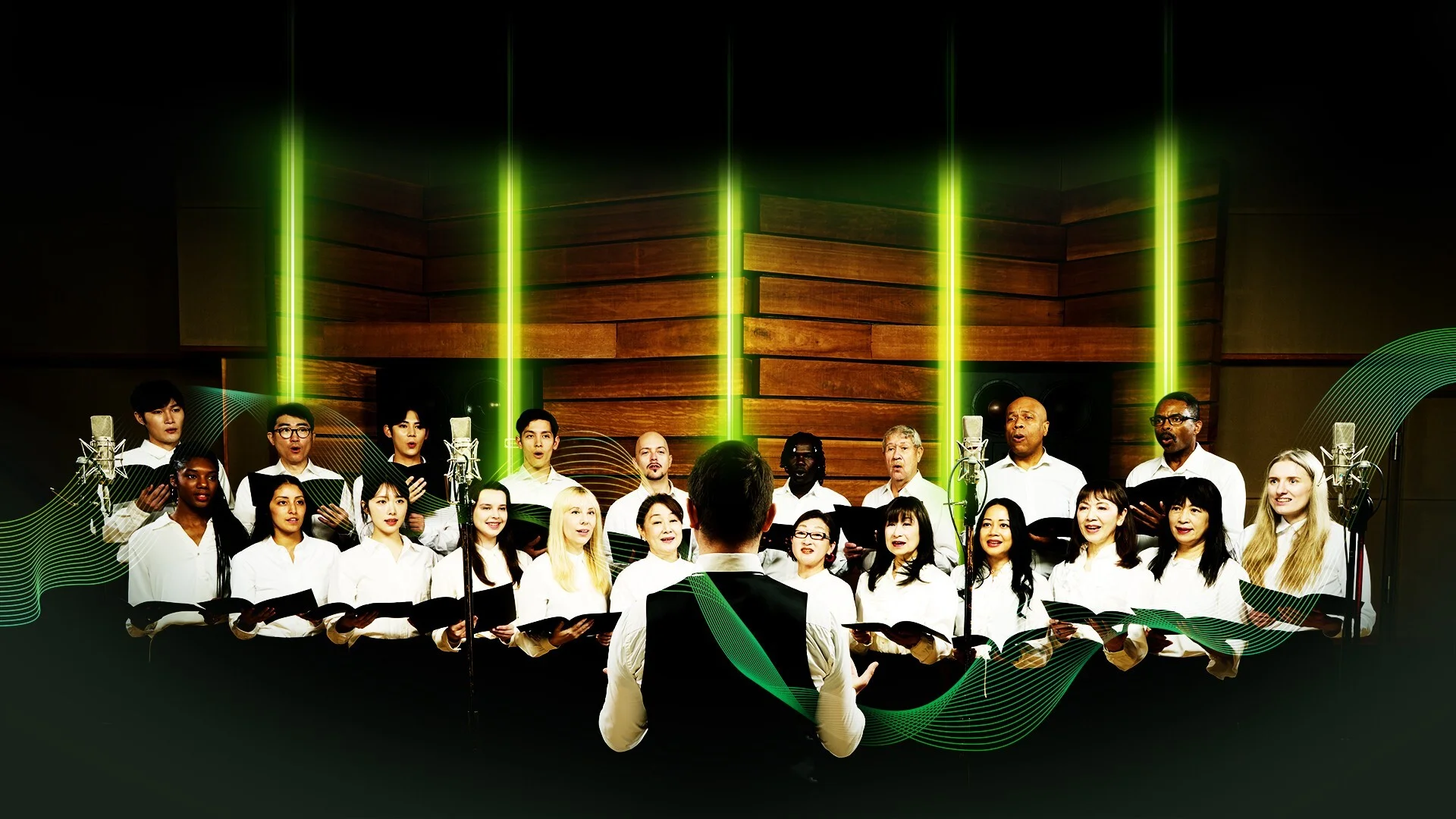
Overview of premium virtual choir collections and expressive vocal synthesis tools

Details on newly released Synthesizer V voices for pop, R&B and classical
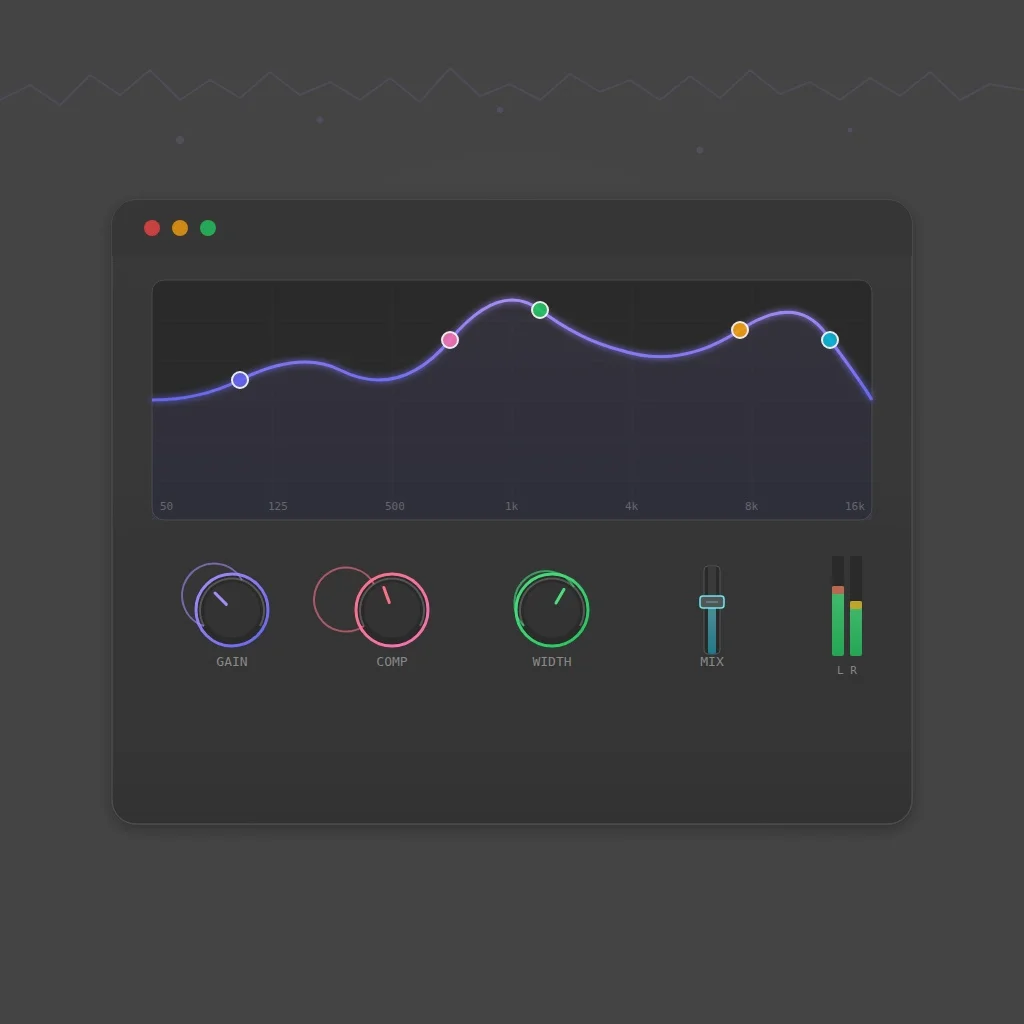
Top vocal plugins and mixing tools for music production with Synthesizer V voices
How live rendering improves real‑time AI vocal playback in music production
Explaining neural network and hybrid engine improvements for better vocal sound
Guide to migrating and upgrading Synthesizer V Studio from V1 to V2

Details on new Amara and Archie AI voices for Synthesizer V vocal production
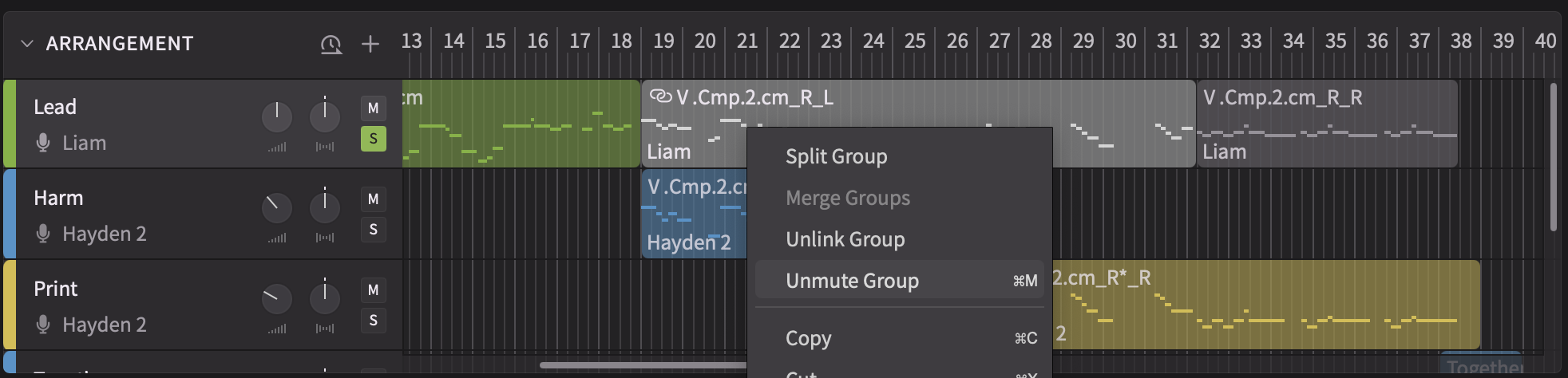
Expanded scripting, group mute and stability improvements in Synthesizer V 2.1.1
Voice update v201 boosts pronunciation, pitch accuracy and cross‑lingual quality
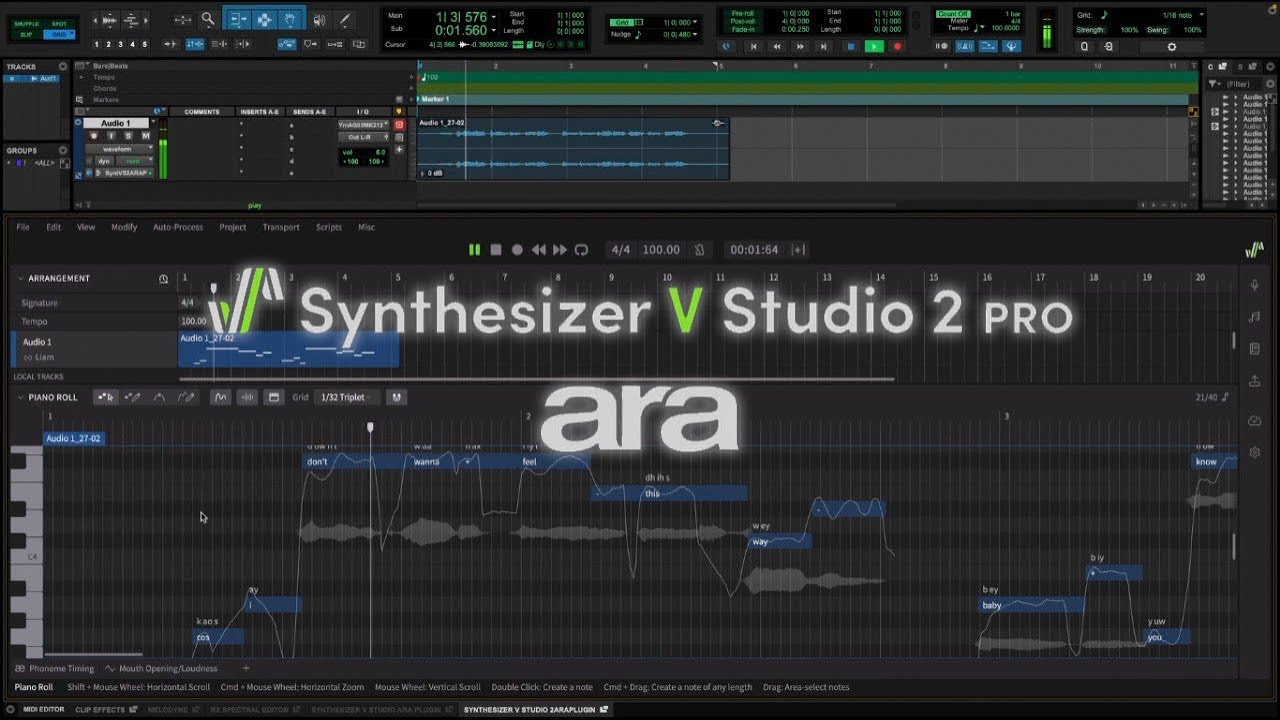
ARA Pro Tools support and redesigned pitch controls in Synthesizer V 2.1.0 update
Guide to migrating projects from Synthesizer V Studio Pro V1 to V2
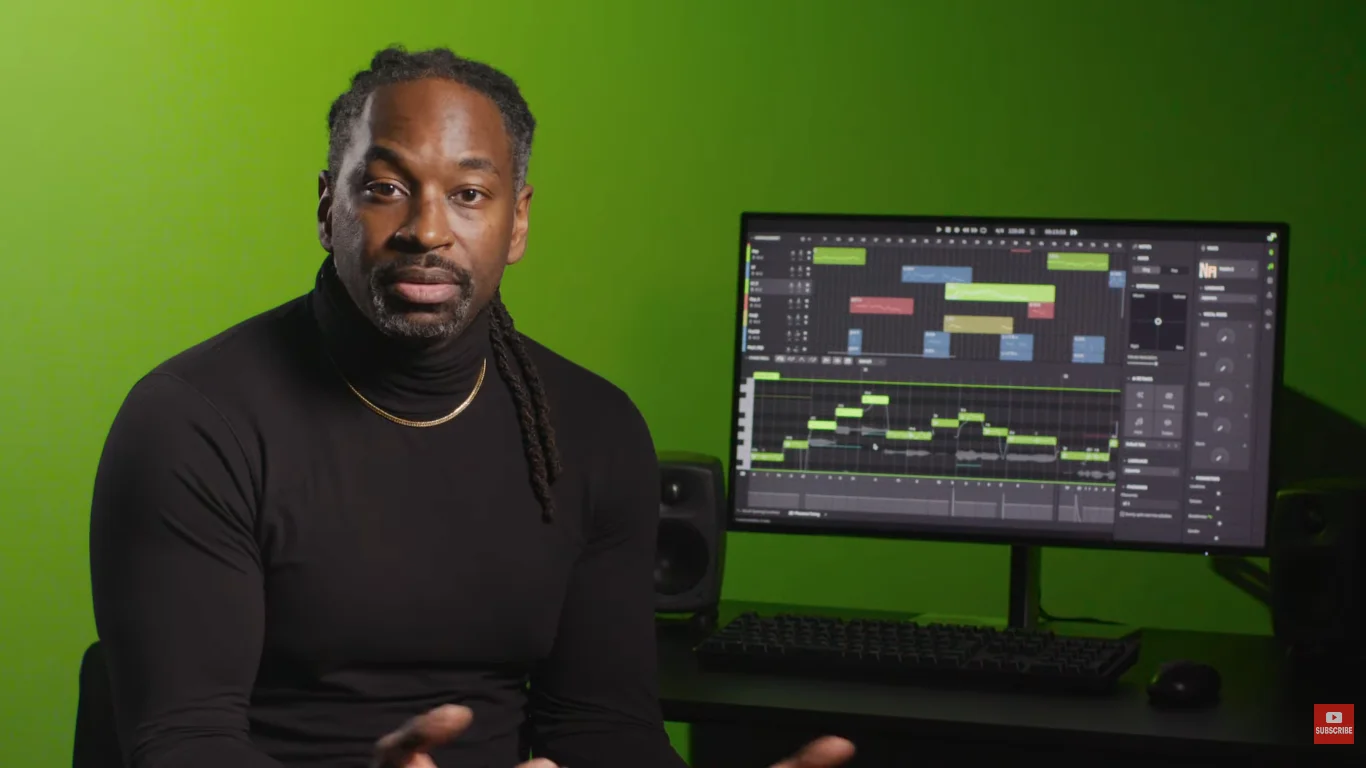
Walkthrough of Synthesizer V Studio 2 Pro features for AI vocal production

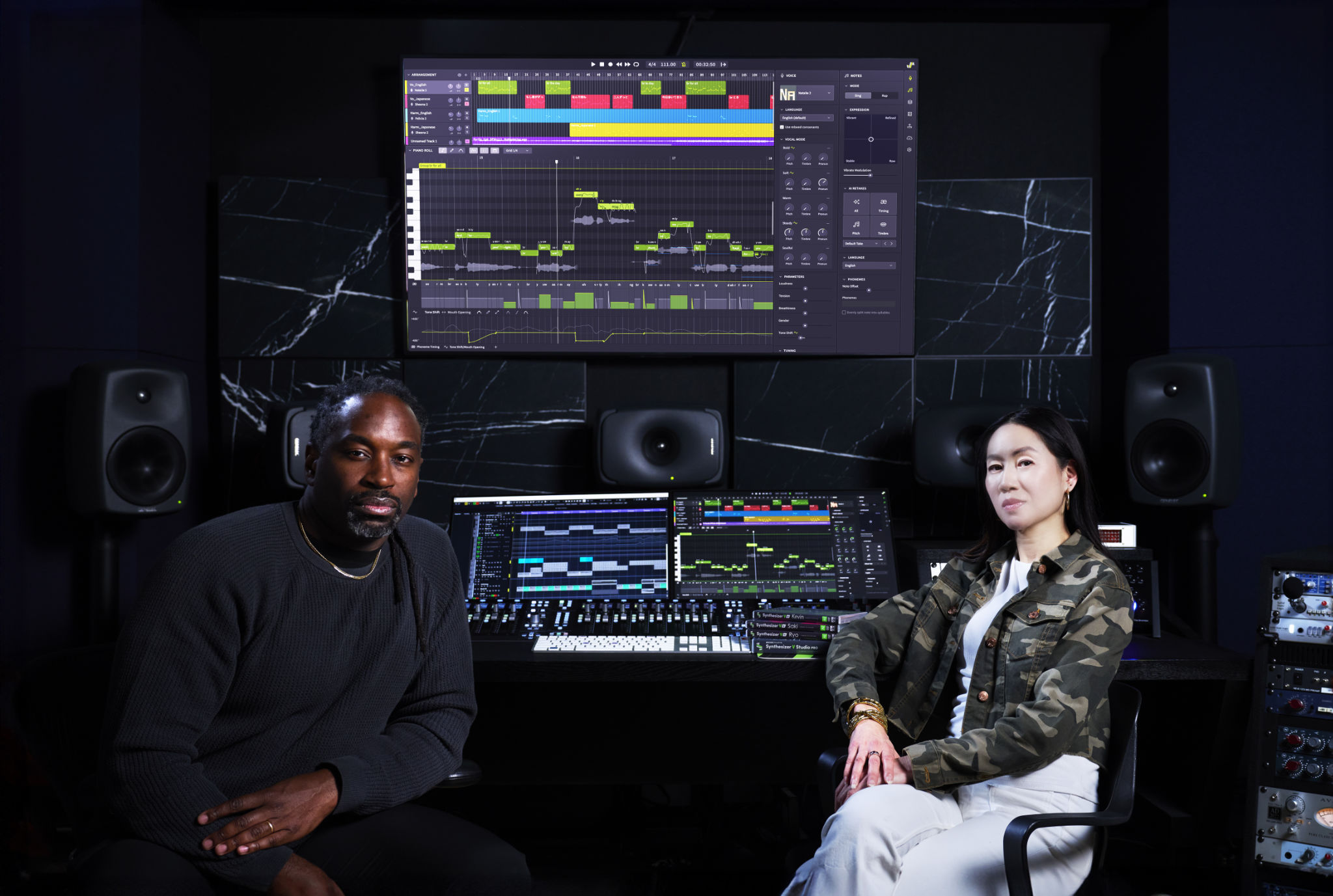
Details on major Synthesizer V Studio 2 Pro release and upgraded voice quality
Overview of FL Studio tempo sync, AAX support and bug fixes in version 1.11.2
Beta update adds Pro Tools AAX plugin and DAW sync for Synthesizer V Studio
Overview of FL Studio plugin sync and stability improvements in 1.11.2b1 update
Synthesizer V Studio 1.11.0 adds ARA DAW integration and Voice‑to‑MIDI features
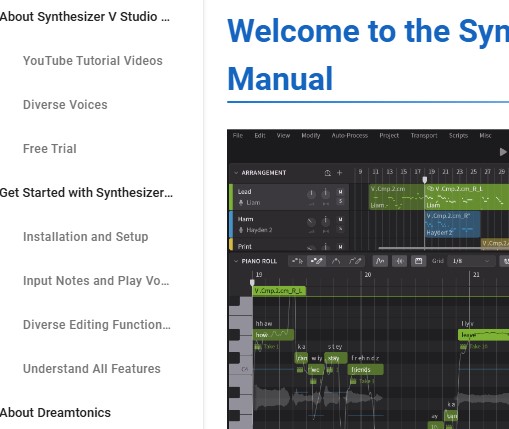
Official Synthesizer V Studio user manual covers basic to advanced features
Beta update refines piano roll UI, ARA integration and Voice‑to‑MIDI workflow
Beta update expands ARA support, Voice‑to‑MIDI speed and cross‑DAW stability
Overview of ARA plugin and vocal MIDI conversion features in Synthesizer V 1.11.0b1
Bug fixes and workflow stability improvements in Synthesizer V Studio 1.10.1
Overview of updating Synthesizer V Studio and voices for Japanese rap vocals
Synthesizer V Studio 1.10.0 adds RLHF pitch, UI tools and voice database upgrades
Beta update with RLHF‑enhanced pitch, timbre improvements and UI tweaks
Beta update improves pitch generation with user feedback for AI vocal workflows
Details on AI pitch updates, note controls and vocal mode improvements in v1.9.0
Beta update refines rap, Cantonese support and AI pitch controls in Synthesizer V
Beta update adds rap features, Cantonese synthesis and vocal workflow fixes
Overview of bugs fixed and improved bass male synthesis in Studio 1.8.1
Details on Synthesizer V Studio 1.8.1b1 update: performance and vocal tools
Synthesizer V Studio 1.8.0 adds DPM engine, MIDI support and cross‑lingual synthesis
Overview of 1.8.0b1 Diffusion models, MIDI keyboard and metronome support

Introducing Synthesizer V AI Mai Japanese AI voicebank for J‑Pop and crisp vocals

New Synthesizer V AI voices Yuma (JP) and Natalie (EN) for vocal production
Voice version selector and stability fixes for Synthesizer V Studio 1.7.1 update
Overview of multiple voice database version support and bug resolutions
Adds AI Retakes vocal editing for refined Synthesizer V music production
Bug fixes for crashes, Intel Mac AI voice glitches and DAW plugin stability
Adds Vocal Modes and Instant Pitch Tuning for richer AI vocal control
Details on Synthesizer V Studio’s native Apple Silicon support and speed gains

How Synthesizer V AI enables any voice to sing in English, Japanese, Chinese
Stability improvements and key bug fixes for Synthesizer V Studio engine
New Auto Pitch Tuning, ornament commands and 4th‑gen AI voice support
Overview of rules for approved partnerships and Synthesizer V trademark usage
Synthesizer V Studio 1.3.0 adds 3rd‑gen AI voices and improved editing/UI tools
Overview of Synthesizer V Studio update adding deep learning AI voices

Overview of Synthesizer V AI bringing human‑like vocal quality to music
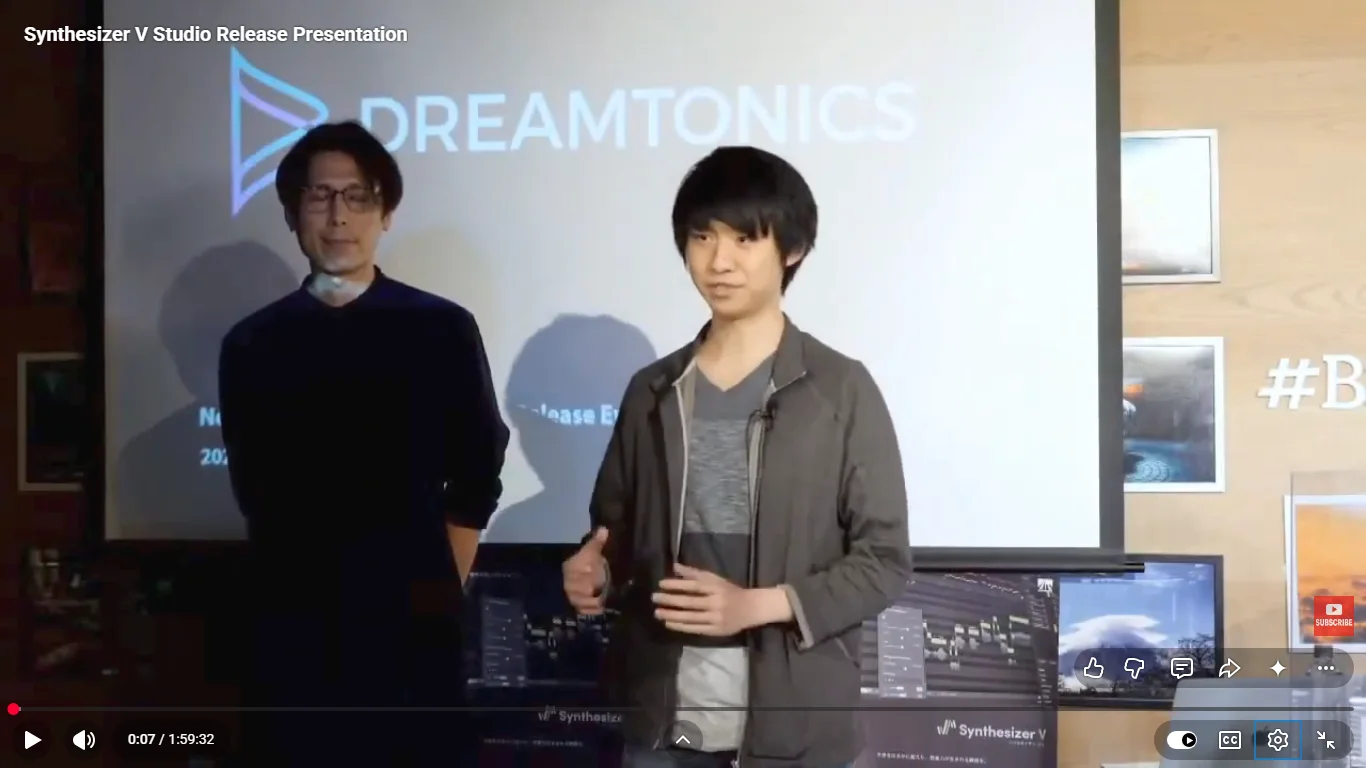
Dreamtonics presents Synthesizer V Studio’s next generation release livestream


[caption]